Make a trip plan before choosing the bag
Start with the itinerary: departure, connections, arrival, accreditation, practice access, match windows, media duties and return travel. Add realistic travel buffers. Food plans should reflect how much time the team will actually have, not an optimistic schedule that assumes every connection is on time. Check the organiser's rules before packing food, drink containers, coolers or equipment.
Find out what is available at the venue and nearby: water refill stations, catering hours, shops, kitchen access and whether outside food is permitted. Ask the event contact early if information is unclear. Where the team travels internationally, review customs restrictions for food and ingredients as well as airline and venue policies. Do not carry products across borders based on assumptions; consult official government guidance.
Build the kit around ordinary options
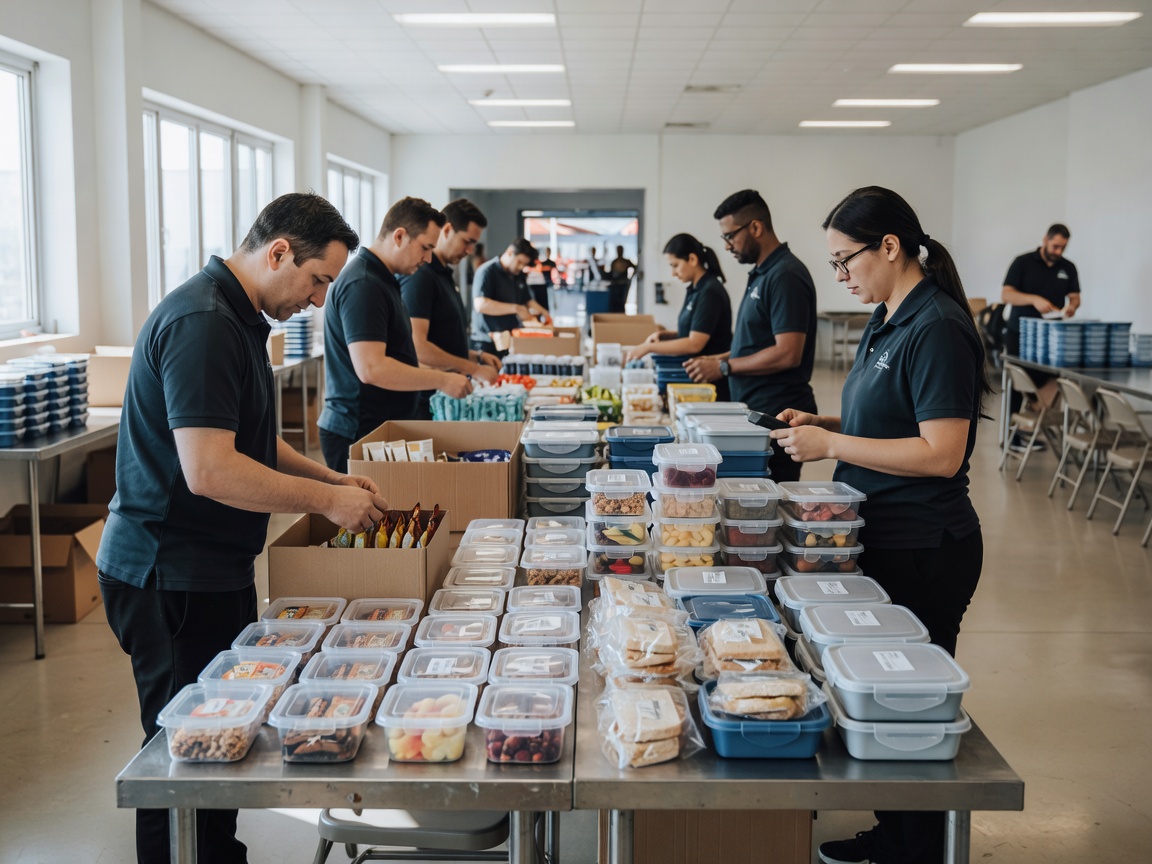
A travel kit can help bridge gaps, but it should not become a supplement display. Consider individually appropriate, familiar shelf-stable foods, clean reusable bottles where permitted, napkins, utensils and a printed or digital note listing nearby food sources. Check ingredient labels and allergen information, and ask players what they will actually use. A product that is theoretically convenient but disliked, unsuitable or difficult to store is not a reliable backup.
Perishable foods require safe temperature control. Follow local food-safety guidance, maintain appropriate chilled storage and discard items if safe handling is uncertain. Appoint a named person to check the kit, replenishment and disposal. Keep medicine and medically required foods under the individual's control and professional guidance; a general team bag should not be used to manage personal medical needs.
Assign responsibilities before leaving
Define a simple handoff between team operations, coaching staff and players. Who confirms meal timings? Who contacts the hotel or venue? Who carries receipts and purchase information? Who has authority to adjust when a match overruns? A short shared plan prevents the assumption that another person handled the details. Keep it accessible offline in case venue connectivity is unreliable.
For multi-day events, note where food can be purchased outside venue hours, how the team can reach it and what payment methods are accepted. Confirm storage at accommodation. If players have separate schedules, make arrangements that allow individual choice rather than expecting the whole roster to move together. Budget also matters: a plan that works only with expensive last-minute delivery is fragile.
Prepare for three common disruptions
Delay
Keep a suitable shelf-stable backup and identify a nearby place with reliable opening hours. Check that the backup fits individual dietary needs.
Venue restriction
Read the event's current food, drink and bag policy. Ask organisers about accessibility or dietary accommodations before arrival.
Schedule overrun
Agree who can communicate a change to catering and where players can find food without disrupting competition duties.
Travel context tabs
Practice onsite
Check access times, break arrangements and water location during the venue walk-through. Carry only what is allowed.
Competition day
Confirm exact call times and food access with event staff. Keep a contingency for uncertain match duration and late finishes.
Transit
Account for airport or station rules, transfer time, refrigeration and stops. Use official carrier and government information for restrictions.
Make the return review useful
After the trip, log operational facts: which purchases were available, whether storage worked, what was unused and where timing changed. Avoid drawing conclusions about a player's performance from a travel meal. The purpose of the review is to make the next event easier to manage, not to judge bodies, appetite or food choices.
Teams competing across borders should consult official sources such as UK Government travel advice and the relevant customs authority, the Civil Aviation Authority or airline rules, and local food-safety guidance. Tournament organisers' policies can change and take priority for venue access. Where an athlete needs medical nutrition support, use a registered dietitian or healthcare professional with relevant expertise.
Keep the checklist short
- Confirm schedule, venue policies and food access.
- Check individual dietary needs through a respectful process.
- Assign one owner and one backup for supplies and changes.
- Pack permitted, familiar options and keep them safely stored.
- Record what happened so the next plan is more realistic.
Build the everyday meal rhythm · Plan drink access · Understand evidence limits