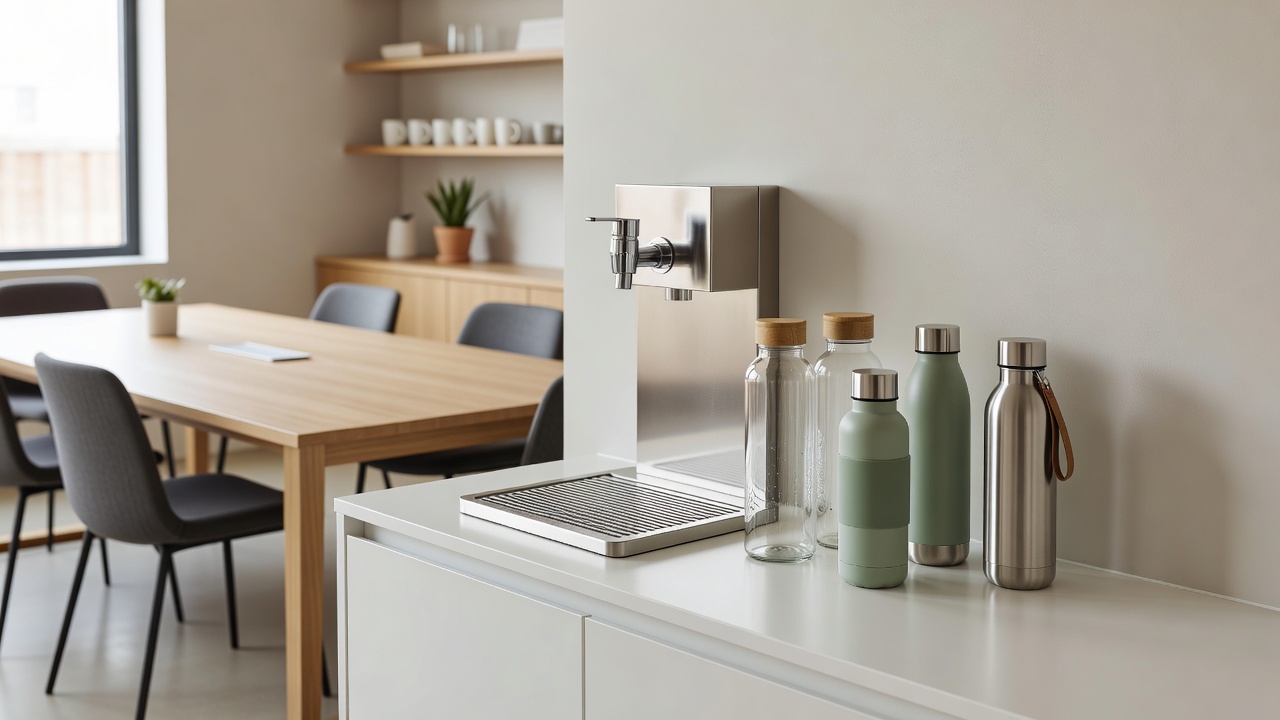
Make water easy to access
A team does not need an elaborate hydration campaign to make drinking water available. Identify the nearest refill point, provide clean bottles or cups, and ensure players can distinguish their own containers. If practice rooms are far from a kitchen or refill station, plan replenishment before sessions begin. For tournament venues, check whether bottles can be taken into the play area and where refills are available.
Needs vary with the person and the environment. Heat, humidity, illness, medication, activity level and individual health can affect what is appropriate. A fixed volume target for every player may be unsuitable. Rather than prescribing a universal amount, establish access and let qualified health professionals guide individual needs where necessary. Staff can notice logistical problems—empty dispensers or breaks too short to refill—without monitoring private health details.
Use observations, not hydration myths
Hydration advice can be oversimplified into rigid rules or claims that a single drink will sharpen attention. Avoid using urine colour, thirst or wearable metrics as diagnostic tools in a team setting. Such cues have limits and context matters. Encourage ordinary access to fluids, respond to the conditions and seek clinical advice for symptoms or medical concerns.
Evidence on hydration and performance comes largely from general exercise and health contexts. Esports environments may involve long seated periods, indoor air conditioning, irregular breaks and substantial screen exposure. These circumstances deserve direct study; they do not justify assuming that every player needs a sport-specific drink strategy. Separate established safety guidance from hypotheses about gaming outcomes.
Put caffeine on the agenda without normalising excess
Caffeine can appear in coffee, tea, cola, energy drinks, pre-workout products, gels, chocolate and some medicines. A team inventory can make sources and timing easier to discuss, especially when staff arrange catering or sponsorship products. The inventory should inform better questions, not become surveillance. Players should be able to decline a product without pressure.
Caffeine sensitivity varies, and its effects can include unwanted restlessness, palpitations, anxiety, gastrointestinal discomfort and sleep disruption. Timing matters because sleep schedules and next-day obligations matter. Some groups, including children and adolescents, pregnant people and people with certain health conditions or medicines, need particular caution and professional advice. Follow relevant national guidance and product labelling. Do not recommend a dose to an individual unless that advice comes from a suitably qualified professional who knows their circumstances.
Compare routine options
| Option | Practical role | Questions for the team |
|---|---|---|
| Tap or refill water | Convenient everyday access where safe drinking water is available. | Where can players refill? Are containers clean and identifiable? |
| Tea or coffee | A familiar caffeinated or decaffeinated choice, depending on preparation. | Is caffeine content understood? Does timing fit sleep and individual preference? |
| Energy drink | A packaged product that may contain caffeine, sugar or other ingredients. | What is the label information? Is it suitable for the individual and context? |
| Sports drink | Formulated for particular exercise settings; not automatically necessary for seated play. | Is there a relevant need, and has a qualified professional advised its use? |
Context tabs for staff planning
Practice
Place water access within the room and make breaks long enough to refill. Keep caffeine products optional and avoid setting team consumption targets.
Match
Confirm venue rules, room temperature and access to drinks. Players can bring familiar choices; team staff should not pressure anyone to consume a sponsored product.
Travel
Plan for security rules, transit stops and refill points. Pack sealed drinks only where transport and venue policies allow.
Keep the routine modest and reviewable
At the end of an event, ask whether water was available, whether staff knew where to refill, and whether the schedule allowed breaks. If caffeine was offered, review how products were labelled and whether players could opt out. Those are operational measures that teams can improve. They cannot prove that a beverage caused a change in game performance.
References worth consulting include the European Food Safety Authority's scientific opinions on caffeine, public health guidance from the NHS, and sport nutrition statements from the International Olympic Committee. These documents have specific scopes and populations; read their limitations before applying them to esports. Emerging research should be described as emerging, not as settled advice. For an individual concern, refer to a registered dietitian, pharmacist or clinician as appropriate.
Plan meal access · Check claim quality · Read common questions